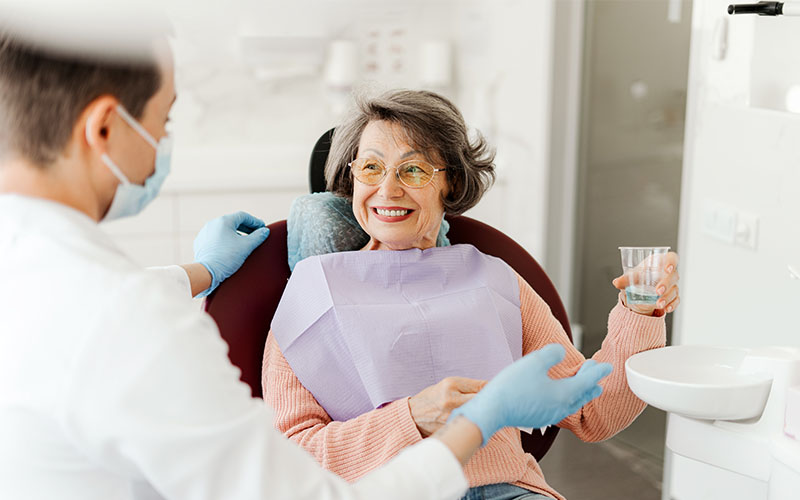
Maintaining good oral health is essential for seniors, as it directly impacts their overall well-being. As people age, they become more vulnerable to dental issues such as cavities, gum disease, and tooth loss.
Poor oral hygiene can also contribute to serious health conditions like heart disease, diabetes, and respiratory infections. Many seniors may face challenges such as dry mouth due to medications, reduced dexterity that makes brushing difficult, and a higher risk of oral cancer. Understanding these challenges and taking proactive steps to maintain oral health can lead to a better quality of life and fewer complications in the long run.
Oral health plays a crucial role in overall health, especially for seniors. Studies have shown that poor oral hygiene can lead to infections that spread beyond the mouth, contributing to serious systemic health issues such as cardiovascular disease and pneumonia. Inflammation caused by gum disease has been linked to an increased risk of stroke and dementia. Additionally, missing teeth or painful dental conditions can make it difficult for seniors to chew food properly, leading to poor nutrition. By maintaining good oral health, seniors can prevent these complications and enjoy a healthier and more comfortable lifestyle well into their later years.
Lorem ipsum dolor sit amet, consectetur adipiscing elit. Ut elit tellus, luctus nec ullamcorper mattis, pulvinar dapibus leo.
Tooth decay remains a common issue among seniors due to factors such as reduced saliva production, dietary habits, and the long-term effects of plaque buildup. As enamel wears down over time, teeth become more susceptible to cavities. Many seniors take medications that cause dry mouth, which further increases the risk of tooth decay. Regular brushing with fluoride toothpaste, flossing, and professional cleanings can help prevent cavities. It is also important to limit sugary and acidic foods that erode enamel and contribute to decay.
Gum disease is a major concern for seniors, as it can lead to serious oral and systemic health issues if left untreated. It typically starts as gingivitis, which causes swollen, red gums that may bleed when brushing. If it progresses to periodontitis, it can lead to gum recession, tooth loss, and infections that spread to other parts of the body. Seniors with diabetes or weakened immune systems are particularly at risk. The best way to prevent gum disease is through regular dental checkups, proper brushing and flossing, and avoiding tobacco products, which can worsen gum conditions.
Losing teeth can significantly impact a senior’s ability to eat, speak, and maintain self-confidence. Missing teeth can also lead to shifting of remaining teeth, jawbone deterioration, and digestive issues due to improper chewing. Many seniors rely on dentures, bridges, or dental implants to replace missing teeth and restore function. Proper care of these dental appliances is essential to maintain oral hygiene. Seeing a dentist regularly ensures that any problems are addressed early, preventing further complications related to tooth loss.
Seniors are at a higher risk of developing oral cancer, making regular dental exams vital for early detection. Oral cancer can present as persistent sores, lumps, white or red patches, and difficulty swallowing. It is often painless in its early stages, which is why many cases go undiagnosed until they reach advanced stages. Regular dental checkups allow for early screening, improving the chances of successful treatment. Seniors should also avoid excessive alcohol consumption and tobacco use, as these are significant risk factors for oral cancer.
Dry mouth is a common condition in older adults, often caused by medications used to treat high blood pressure, depression, and other chronic conditions. Saliva plays a crucial role in washing away bacteria and neutralizing acids in the mouth. When saliva production decreases, it increases the risk of cavities, bad breath, and gum disease. Seniors experiencing dry mouth should drink plenty of water, chew sugar-free gum to stimulate saliva production, and use moisturizing mouth sprays or lozenges. Avoiding caffeine, alcohol, and tobacco can also help manage symptoms effectively.
Brushing and flossing daily are essential for preventing plaque buildup and gum disease. Seniors should use a soft-bristled or electric toothbrush to gently clean their teeth and gums twice a day. If flossing is difficult due to arthritis or mobility issues, floss holders or water flossers can be helpful alternatives. Cleaning dentures or other dental appliances daily is also necessary to prevent bacterial growth. Regular brushing and flossing, combined with antibacterial mouthwash, can greatly improve oral hygiene and reduce the risk of dental problems.
Using the right dental products can make a significant difference in maintaining oral health. Seniors should opt for fluoride toothpaste to strengthen enamel and prevent cavities. An electric toothbrush can be beneficial for those with limited dexterity, making it easier to clean all surfaces of the teeth. Alcohol-free mouthwash can help with dry mouth without causing irritation. Additionally, denture wearers should use non-abrasive cleaners to prevent damage. Consulting with a dentist can help seniors choose the best products for their specific needs.
A healthy diet plays an important role in maintaining strong teeth and gums. Seniors should consume calcium-rich foods like dairy products, leafy greens, and nuts to help strengthen enamel. Vitamin C, found in citrus fruits and bell peppers, supports gum health by promoting collagen production. Protein-rich foods, such as lean meats and legumes, help repair tissue and maintain strong jawbones. Seniors should also avoid excessive sugar and acidic foods that contribute to tooth decay. Staying hydrated is equally important, as it helps prevent dry mouth and washes away food particles and bacteria.
Routine dental visits are crucial for detecting and addressing oral health problems before they worsen. Seniors should see their dentist at least twice a year for exams and cleanings. These visits allow dentists to check for early signs of gum disease, cavities, and oral cancer. For those with dentures or implants, regular visits help ensure a proper fit and prevent discomfort or infections. Seniors with chronic health conditions or medications affecting oral health may require more frequent dental checkups to manage their risks effectively.
Good oral health is essential for seniors to maintain their overall well-being and quality of life. By following a proper oral hygiene routine, choosing the right dental products, and visiting the dentist regularly, seniors can prevent many common dental issues. A balanced diet and adequate hydration further contribute to strong teeth and gums. Seniors should also seek timely treatment for dental concerns, such as gum disease, tooth loss, and dry mouth, to avoid complications. Taking proactive steps ensures that seniors can enjoy a healthy, pain-free smile for years to come.
Seniors should visit the dentist at least twice a year for routine checkups and cleanings. Those with existing dental conditions or high-risk factors may need more frequent visits to maintain oral health.
Soft-bristled or electric toothbrushes, fluoride toothpaste, alcohol-free mouthwash, and floss holders or water flossers are recommended for seniors. Denture wearers should also use appropriate cleaning solutions to maintain hygiene.
Yes, many seniors can get dental implants, provided they have good overall health and sufficient bone density. A dentist can evaluate their condition and determine if implants are a suitable option.
Drinking water frequently, chewing sugar-free gum, using saliva substitutes, and avoiding caffeine and alcohol can help relieve dry mouth symptoms. Consulting a dentist for additional recommendations is also beneficial.
Yes, many government programs, dental schools, and community clinics offer affordable or discounted dental services for seniors. Dental insurance plans and senior discount programs can also help cover costs.
At Central Dental Family Dentistry in Downtown Edmonton, our team is committed to providing comprehensive dental care for seniors and their families. With our experienced family dentist in the clinic, we understand the unique oral health needs that come with aging. We take a gentle and personalized approach to ensure our senior patients receive the best possible care, from preventive treatments to restorative solutions. Whether you’re looking for regular check-ups or specialized treatments, our team is here to support your dental health journey with compassion and expertise.